





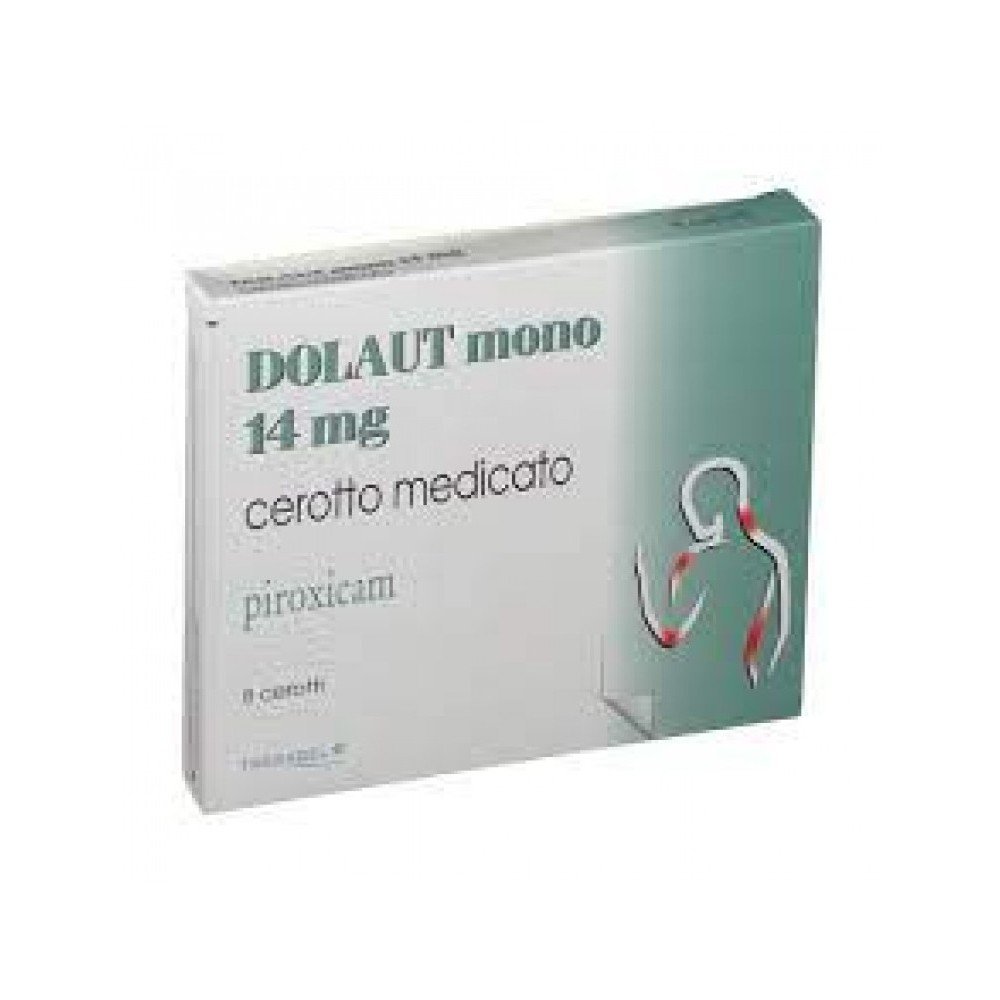
“Active ingredient: diclofenac 25 mg
The drug effectively stops inflammatory processes, has an analgesic and antipyretic effect.
Indications:
— inflammatory and degenerative diseases of the musculoskeletal system, incl. rheumatoid, juvenile, chronic arthritis; ankylosing spondylitis and other spondyloarthropathy; osteoarthritis; gouty arthritis; bursitis, tendovaginitis;
– pain syndromes from the spine (lumbago, sciatica, ossalgia, neuralgia, myalgia, arthralgia, radiculitis);
– post-traumatic postoperative pain syndrome accompanied by inflammation (for example, in dentistry and orthopedics);
– algodismenorrhea;
— inflammatory processes in the pelvis (including adnexitis);
— infectious-inflammatory
Dosage regimen:
The dose is selected individually; it is recommended to use the drug in the minimum effective dose, with the shortest possible treatment period.
For adults, the recommended starting dose is 100-150 mg/day. In relatively mild cases of the disease, as well as for long-term therapy, 75-100 mg/day is sufficient. The daily dose should be divided into several doses.
To relieve night pain or morning stiffness, in addition to taking the drug during the day, diclofenac is prescribed in the form of rectal suppositories before bedtime; in this case, the total daily dose should not exceed 150 mg.
For primary dysmenorrhea, the daily dose is selected individually; usually it is 50-150 mg. The initial dose should be 50-100 mg; if necessary, over several menstrual cycles it can be increased to 150 mg/day. The drug should be started when the first symptoms appear. Depending on the dynamics of clinical symptoms, treatment can be continued for several days.
For children aged 1 year and older, the drug is prescribed at a dose of 0.5-2 mg/kg body weight/day (in 2-3 doses, depending on the severity of the disease). For the treatment of rheumatoid arthritis, the daily dose can be increased to a maximum of 3 mg/kg (in several doses). The maximum daily dose is 150 mg.
Contraindications for use:
– exacerbation of gastric and duodenal ulcers in the acute phase, ulcerative bleeding, perforation;
– inflammatory bowel diseases (Crohn’s disease, ulcerative colitis) in the acute phase;
– patients with attacks of bronchial asthma, urticaria or acute rhinitis, which are provoked by taking acetylsalicylic acid or other NSAIDs;
— severe renal failure (creatinine clearance less than 30 ml/min);
– severe heart failure;
– severe liver failure;
– active liver diseases;
– conditions accompanied by a risk of bleeding;
— coronary artery bypass grafting (perioperative period);
– confirmed hyperkalemia;
— III trimester of pregnancy;
– lactation period (breastfeeding);
– hypersensitivity to the components of the drug.
Use during pregnancy and breastfeeding:
The safety of diclofenac in pregnant women has not been studied. Therefore, the drug should be prescribed in the first and second trimesters of pregnancy only in cases where the expected benefit to the mother outweighs the potential risk to the fetus. The drug, like other NSAIDs that inhibit prostaglandin synthesis, is contraindicated in the third trimester of pregnancy (possible suppression of uterine contractility and premature closure of the arterial flow in the fetus).
Since the drug, like other NSAIDs, can have a negative effect on fertility, women planning pregnancy are not recommended to take the drug.
In patients undergoing examination and treatment for infertility, the drug should be discontinued.”