





“ACTIVE substances: Macrogol 4000 10 g. Excipients: sodium saccharinate (E954); apple flavor (natural aroma; maltodextrin; go mma arabica E414; sulfur dioxide E220; alpha-tocopherol E307).
INDICATIONS: symptomatic treatment of constipation in adults and children over 8 years of age. Organic disorder must be excluded pri, but in order to begin treatment. Temporary treatment adjuvant to a lifestyle and diet appropriate for constipation, with a course of treatment of up to 3 months in children. If symptoms persist despite related dietary measures, the drug should be stopped, ettal and treated for another cause.
CONTRAINDICATIONS/EFF.SECONDARY: Hypersensitivity to the active substance or to any of the excipients; serious inflammatory bowel disease (eg, ulcerative colitis, Crohn’s disease) or toxic megacolon associated with symptomatic stenosis; perforation of the digestive tract or risk of perforation in the intestinal tract; paralytic ileus or suspected ileus; Abdominal pain syndrome of unknown nature.
DOSAGE: Oral Use. Take 1-2 sachets per day, preferably in the dose in the throat in the morning. The effect of the drug appears within 24-48 hours after administration. The daily dosage should be adapted according to the clinical effect and can vary from one sachet per day in the evening (especially in children) to 2 sachets per day. Population one pediatric: 1-2 sachets per day, preferably taken in one dose in the morning. In children, treatment should not exceed 3 months due to the lack of clinical data on treatment for periods longer than 3 months. The regularization of intestinal motility caused by the treatment will be observed from the lifestyle and from the king’s dietary measurements. Each sachet should be dissolved in a glass of water (about 125 ml) before use. The resulting solution is clear and transparent, like water.
STORAGE: This medicine does not require special storage conditions.
Special INSTRUCTIONS: Treatment of constipation with any medication and this is only adjuvant to a healthy lifestyle and diet, for example: increasing the intake of fluids and fiber; adequate physical activity and re-education of intestinal motility. Due to the presence of sulfur or dioxide, the drug may rarely cause serious reactions, hyperintensity and bronchospasm. In the case of diarrhea, caution should be exercised in patients predisposed to fluid and/or electrolyte imbalances (eg, the elderly, patients with impaired hepatic or renal function, or patients treated with diuretics) and electrolyte monitoring should be considered. Lita’s hypersensitivity reactions (skin rash, urticaria and swelling) have been reported with preparations containing crogol (polyethylene glycol). There were exceptional cases of anaphylactic shock. The drug does not contain sugars or polyhydric alcohols and can be prescribed for patients with diabetes mellitus or patients who follow a galactose-free diet.
INTERACTIONS: No interaction studies have been conducted.
SIDE EFFECTS: Immune system disorders. Very rare: hypersensitivity reactions (itching, skin rash, facial swelling, Quincke’s edema, orthics, anaphylactic shock). Metabolic and nutritional disorders. Not to note: electrolyte disturbances (hyponatremia, hypokalemia) and/or dehydration, especially in elderly patients. Gastrointestinal diseases. General: abdominal pain, diarrhea, nausea; not often: v omit, urgent defecatoria, fecal incontinence. >>Pediatric population ika. Immune system disorders. Not a note: the reactions are ipersensi well. Gastrointestinal diseases. General: abdominal pain, diarrhea ea; not often: vomiting, bloating, nausea. Reporting of adverse or suspicious reactions that occur after doctors’ permission is available and this is important, as it allows continuous monitoring of the benefit/risk ratio of the drug. Health care professionals are encouraged to report any suspected adverse reaction using the national reporting system.
PREGNANCY AND LACTATION: Animal studies do not indicate harmful effects, directly or indirectly due to reproductive toxicity. Data regarding use in women in vidanza gras are limited (less than 300 pregnancies exposed). The medications are not thought to cause effects during pregnancy za as systemic exposure is negligible. The drug or can be used during pregnancy. There are no data on escro-rock in breast milk. It is not believed that Macrogol 4000 may cause a king effect on newborns/infants, since systemic exposure to Macrogol 4000 in women who are breastfeeding is negligible. the drug p u’ can be used during lactation. Fertility studies have not been conducted; however, since macrogol 4000 does not mean that it is actually absorbed”
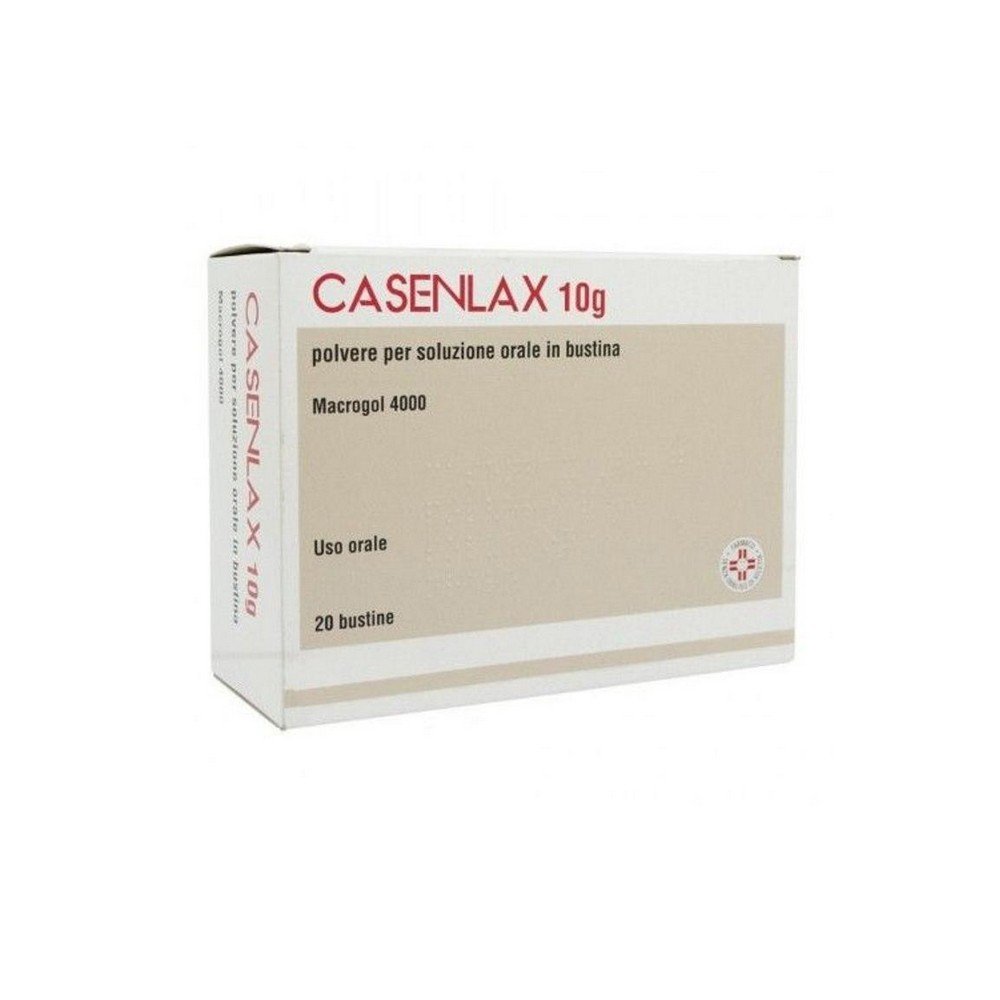
Casenlax Powder 20 Envelopes 10g,Casenlax Polvere 20 Buste 10g,Casen recordati sl
€49.14
Symptomatic treatment of constipation in adults and children over 8 years of age.
34
People watching this product now!
Description
Additional information
Shipping & Delivery
Related products


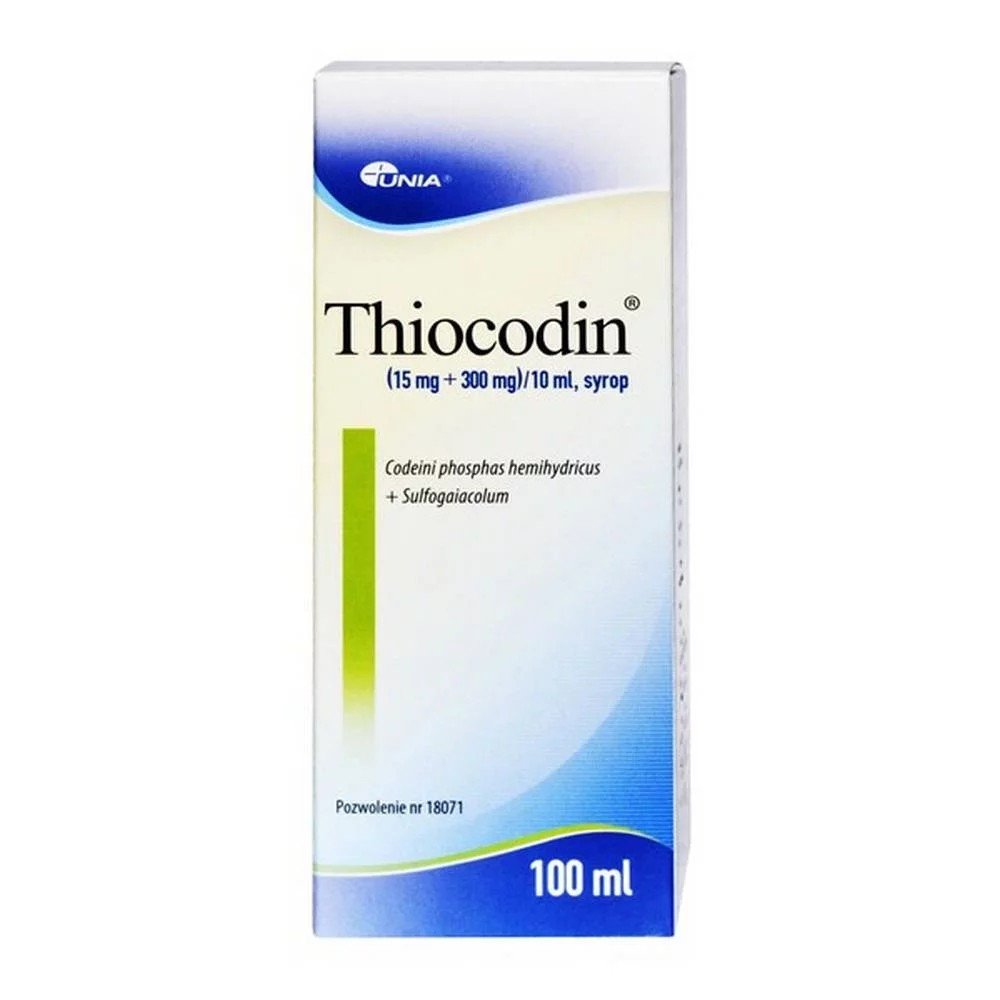


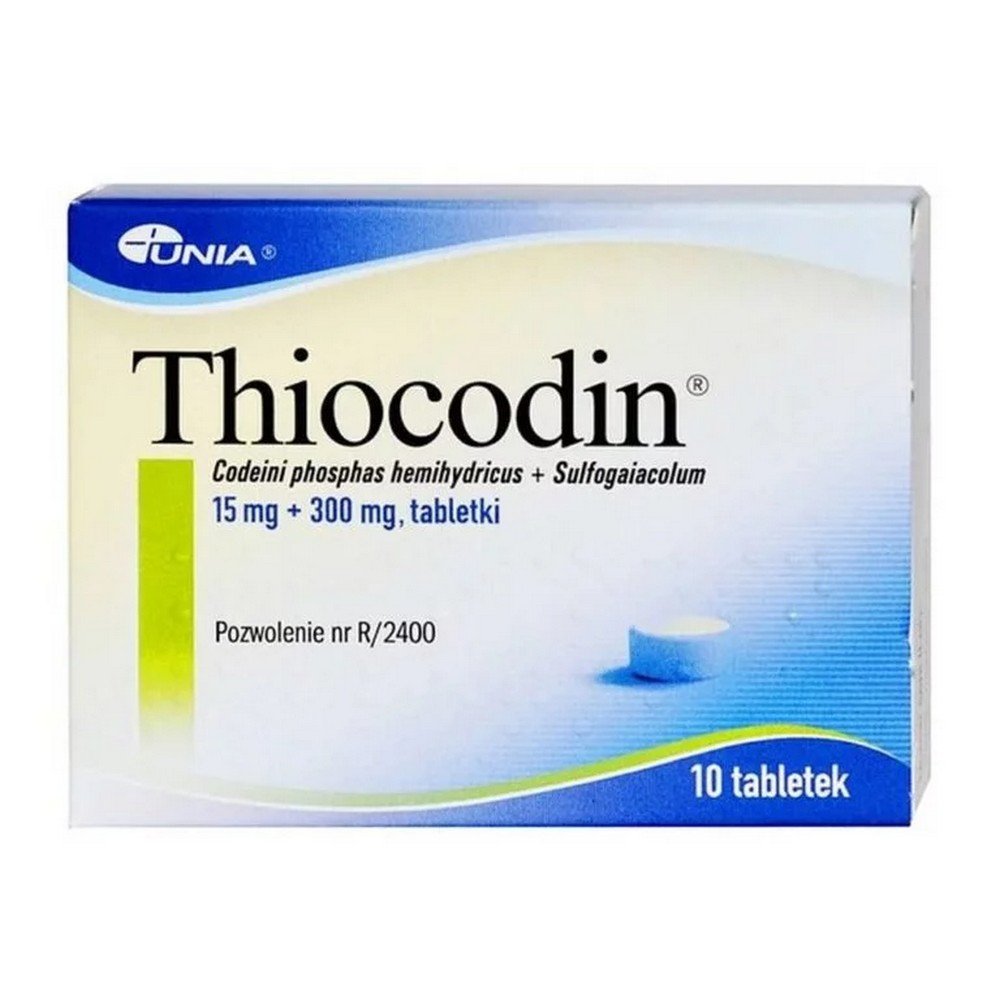
Thiocodine, 15 mg/300 mg, tablets, 10
Thiocodin is an antitussive drug that suppresses the cough reflex. Thiocodin tablets contain two active substances: codeine phosphate hemihydrate and sulfowaacol. Codeine phosphate hemihydrate has an antitussive effect, inhibits the cough reflex, reducing the frequency of coughing attacks. Sulfogwaacol acts as an expectorant, facilitates the movement of the liquefied secretion in the respiratory tract and its expectoration. Thiocodin tablets are for oral use only.
Indications
Treatment of dry, persistent cough without expectoration.